The 8 Most Common B2B Sales Objections and How to Handle Them
The eight most common B2B sales objections, what each one usually means and how to handle it, plus why so many lost deals end in no decision.

A sales objection is any reason a buyer gives for not moving forward: no budget, too expensive, not now, just send me a deck. In B2B, most objections are about risk and timing rather than the product. The best sellers hear fewer of them because they prevent them in preparation, and many deals that die never get an objection at all. They end in no decision.
If you would rather practice than read, there is a game halfway down.
What are the most common B2B sales objections?
The eight most common B2B sales objections are budget, price, timing, a request for a deck, legal or procurement review, satisfaction with the current setup, needing time to think, and not being the decision maker. Most of them mean the buyer cannot yet see a reason to act now, or is afraid of getting it wrong.
| Objection | What it usually means | What to do |
|---|---|---|
| "We don't have the budget." | The problem is not big or urgent enough to free up money. | Put a number on the problem before you talk about price. |
| "It's too expensive." | They cannot connect the price to a result they care about. | Compare the price with the cost of doing nothing. |
| "Not right now." | Nothing forces a decision this quarter. | Find the date that matters to them, or what would make it urgent. |
| "Just send me a deck." | A polite exit from a call that has not earned their time. | Ask what the deck needs to answer, and answer it now. |
| "Legal and procurement need to review it." | A real step, raised late because nobody planned for it. | Put their buying process into the plan at the first meeting. |
| "We're happy with what we have." | Changing feels riskier than staying. | Make switching safer instead of attacking what they use. |
| "I need to think about it." | They are afraid of making the wrong decision. | Give one clear recommendation and narrow the options. |
| "I'm not the right person." | You found a user, not a buyer. | Ask who else is affected and how they decide. |
Only two of the eight are about the product itself. The other six are about urgency, risk and process, which is why they are easier to answer before the call than during it.
Why do so many B2B deals end in no decision?
Because buyers fear making the wrong choice more than they fear keeping a problem they already know. In The JOLT Effect, a study of 2.5 million sales conversations, Matthew Dixon and Ted McKenna found that between 40% and 60% of deals were lost to the customer doing nothing. A preference for the status quo explains less than half of those losses, Dixon told CustomerThink. The rest is indecision: buyers who wanted to change but froze for fear of a mistake. Forrester's State of Business Buying 2024 points the same way: 86% of B2B purchases stall at some point, and a typical buying decision involves 13 people.
The sellers who win these deals do four things, and their first letters give the method its name:
- Judge how indecisive the buyer is.
- Offer a clear recommendation instead of a menu.
- Limit how much more the buyer explores.
- Take risk off the table.
Average sellers do the opposite and pile on fear of missing out, which in Dixon's data makes buyers more indecisive. Arguing the cost of doing nothing still works on a buyer who prefers what they have. On a buyer who is afraid of choosing wrong, it only adds to the fear.
How do you prevent objections instead of handling them?
Prepare for them before the call. In SPIN Selling, built on 35,000 sales calls, Neil Rackham found that the most successful sellers met fewer objections than average ones because they prevented them, and that many objections were caused by the seller pitching a solution before the buyer felt the problem. Buying has changed since in a direction that makes preparation matter more: with 13 people in a typical decision, each one is a chance for an objection the seller never met.
Before an important call, know four things:
- The cost of the problem, in the buyer's own numbers.
- The date that matters: a launch, a renewal, a hire, a board meeting.
- The people: who signs, who uses it, and who can say no.
- What they use today, and what switching would cost them.
The date is the one sellers most often skip. In Ebsta and Pavilion's 2025 benchmark, 76% of the deals held by sellers outside the top performers lacked a critical event, a reason for the buyer to act this quarter. A deal without one is a "not right now" that has not been said yet. A critical event is the buyer's own date, found by asking. It is not pressure the seller invents, which is what backfires in the JOLT research.
How can you practice handling objections?
Practice them out loud before they happen. Write down the objections you heard last month and the answer you wish you had given, then role-play them with a colleague until the answer comes without thinking. Or play Salesmon below, where every objection is a monster and preparation is your type advantage.
←↑→↓ move Z or Space A X B Enter START. Hold X to run, M mutes.
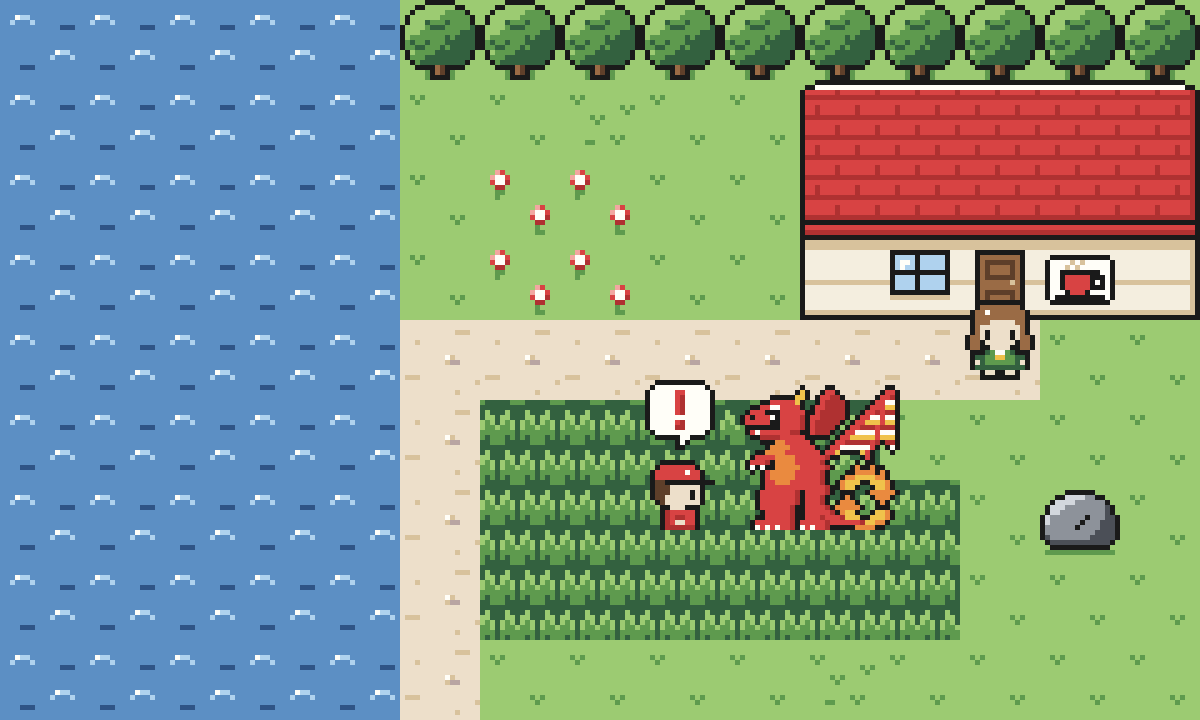
Salesmon is a monster-catching game in the style of the Game Boy RPGs. Buyers fight with objections such as BUDGETOAD ("not this quarter") and DECKOY ("just send me a deck"), quiet deals fight with stalls, and the final boss is the status quo.
The rules work the way real deals do. Preparation and insight beat objections, follow-through beats stalls, and your team keeps what it learns when you switch, while your rival's separate tools start every switch from zero. Every creature you catch is a job a sales team can hand to an AI agent, from meeting briefs to follow-up drafts.
How do you respond to "we don't have the budget"?
Ask what the problem costs them today, then let them decide whether money is really the issue. "No budget" usually means the pain has not been sized, so it lost to something that had a number attached. Once the cost of the problem is clear, budget becomes a question of timing, which is easier to solve.
What to say: "Fair enough. Before we talk about budget, can we put a number on what this problem costs you each month today?" If the number is small, they are right, and you should move on. If it is large, the conversation has changed.
How do you handle "it's too expensive"?
Compare your price with the cost of doing nothing, not with a cheaper alternative. "Too expensive" means the buyer cannot yet connect the price to a result they care about, so restate the result in their words and set the price beside it. Discounting first only teaches them the price was never real.
What to say: "Compared with what? If it's another vendor, let's compare what each one changes for you. If it's doing nothing, here is what the problem costs over the same period." If they still say no, ask which part they would cut. Their answer tells you what they actually value.
What do you say when a buyer says "not right now"?
Find out what would make it the right time, then tie the decision to a date the buyer already cares about, such as a launch, a renewal or a board meeting. "Not right now" means nothing forces a decision this quarter. Without that date, the deal tends to slip one quarter at a time.
What to say: "Makes sense. What would have to be true for this to become a priority? Is there a date this year that matters for you?" If there is a real date, plan backward from it together. If there is none, agree on when to talk again and put it in the calendar while you are both on the call.
How do you answer "just send me a deck"?
Ask what the deck needs to show, then answer it on the call. The request is often a polite way to end a conversation that has not yet earned the buyer's time. A deck alone will not change their mind, but the answer to the question behind it might.
What to say: "Happy to. So I send the right thing, what would it need to show for this to be worth another conversation?" If they name something, answer it now and agree on the next step. If they cannot, the deck was a goodbye, and it is better to know.
How do you handle "legal and procurement need to review it"?
Plan for the review at the first meeting, not the last. Legal and procurement review is a real step rather than a brush-off. Raised late, it feels like an objection and holds up a deal that was ready to close. Ask early which security, legal and procurement steps a purchase like this needs, and build them into the timeline you agree on.
What to say: "Makes sense. Who on your side reviews a purchase like this, and what will they need from us?" Send what they need before they ask for it. If nobody on the call knows the process, ask to bring in the person who does.
How do you beat "we're happy with what we have"?
Make switching feel safer instead of making their current setup look worse. Buyers stay with what they have even when something better exists, a pattern economists call status quo bias. Attacking their current tool raises the risk they feel. A pilot, a narrow first step or a clear way out lowers it.
The bias has been measured since Samuelson and Zeckhauser's 1988 study, which found that people disproportionately stick with the status quo, even in decisions as large as choosing a health plan or a retirement program. A buyer weighing your product against what they use today is making exactly that kind of decision, and the default has a head start.
What to say: "Most teams are happy with what they have. What would you change if switching cost nothing?" Their answer tells you how big the problem is. Then lower the cost of change: start small, and make the exit clear.
What do you say to "I need to think about it"?
Treat it as indecision rather than rejection. The buyer is not unconvinced; they are afraid of choosing wrong. Ask what they are unsure about, give one clear recommendation rather than more options, and take risk off the table with a smaller first step. In the JOLT research, sellers who did this won more of these deals than sellers who piled on fear of missing out.
What to say: "Of course. Which part are you least sure about?" Answer that part, recommend one option, and offer a first step they can undo, such as a pilot.
What do you do when your contact says "I'm not the right person"?
Ask how decisions like this get made and who else is affected. You have found a user rather than a buyer, and your contact knows the buying process better than you do. Then help them make the case internally, with a one-page summary in their words that they can forward.
What to say: "Thanks for being straight with me. Who else would this affect, and how does your team usually decide on something like this?" Then offer to write the summary for them, or to join the conversation with whoever decides.
What should you do when a buyer goes quiet?
Send a follow-up that plays back what they said and proposes one next step, the same day if you can. Silence after a good meeting is a stall rather than a no: the buyer lost momentum, usually because nothing specific was agreed. A recap of their own words gives them something to reply to. "Just checking in" does not.
For what that email should say and how fast to send it, use this follow-up email template. Write the next step into the CRM before you leave the call, so it gets chased even when your week fills up. A deal that slips is rarely lost to an objection. It is lost to the follow-up that went out a week late, or never, which our sales pipeline simulator turns into a race against the quarter.
Walk into every call prepared
Before every external meeting, Spiich writes a brief from the CRM, past email threads and live research on the account and each attendee. After it, Spiich drafts the follow-up for you to review and send.
See how Spiich works
Start Closing.